SRP is a deep cleaning usually involving scraping off bacteria deposits strongly attached to the root surface.

November 7, 2019
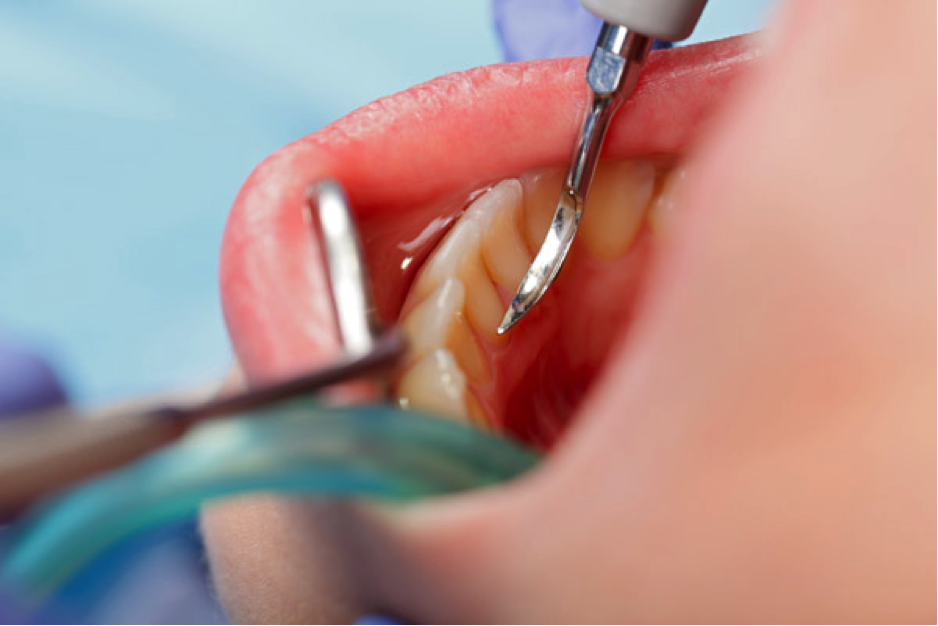
This is deep cleaning usually involving scraping off bacteria deposits strongly attached to the root surface. It is these deposits that cause severe destruction of the bone supporting the teeth in the mouth. Once the bone is gone, it
never comes back again naturally. Deep cleaning is recommended for treating established gum disease (periodontitis) and it is very useful in preventing future gum disease and loss of teeth. Commonly in Kenya, SRP will be carried out by a specialist type of dentist known as a periodontist even though some dentists are very good at it too. In other regions of the world, SRP may be carried out by a hygienist.
Brushing and flossing twice a day is crucial, but even if you practice excellent oral hygiene, plaque build-up is still inevitable. If it's not removed regularly, it can eventually harden into unsightly tartar, or cause gum infections. For patients with healthy teeth and gums, regular teeth cleanings – or prophylaxis – is enough to remove plaque and prevent inflammation. During regular cleanings, a dental hygienist will use a small handheld instrument called a scaler to scrape tartar from your teeth, or an ultrasonic device to shake plaque loose. Prophylaxis takes place on the crowns of your teeth, above the gum line, and most people with good oral health can maintain their smile with twice-yearly prophylactic cleanings.
Deep Cleaning of periodontal disease, a gum infection that can damage the tissue and bone that supports your teeth. The mildest form of gum disease is gingivitis, which causes red, swollen gums that bleed easily. Left untreated, gingivitis can progress to periodontitis, resulting in severe deterioration of the gums and bone, and with time, tooth loss.

Gum disease may progress painlessly, producing few obvious signs, even in the late stages of the disease. Although the symptoms of periodontal disease often are subtle, the condition is not entirely without warning signs. Certain symptoms may point to some form of the disease.
A patient should seek treatment from a gum specialist should they experience the above signs.
The teeth naturally build up plaque and tartar which you then remove by brushing. If this isn’t effective against the build-up and you have plaque deep towards the roots of your teeth, then it is likely that you will need to have your teeth planed. SRP is also common when gum disease has started to split the gum from the tooth. This can cause bacteria to work its way towards the base of your teeth which in turn could cause you problems such as bone or tooth loss.
Scaling – removing plaque and other irregularities from the surface of the tooth, be it the dental crown or the root.
Planing – removing rough parts of the surface of the tooth, (cementum, enamel and surface dentin), that contains bacteria or microorganisms
.svg)


.svg)
.svg)